

The Bruxism Association - Teeth grinding and clenching

We will help you find information about teeth grinding, its causes, how to identify if you have the problem and products that enable teeth grinders to manage their condition.

Bruxism - grinding the teeth and other such teeth/jaw actions - occurs most often in sleep and can cause facial pain and headaches. It is commonly caused by anxiety. Left untreated, it often gives rise to poor quality sleep and damaged teeth.

The Bruxism Association is a not-for-profit organisation dedicated to helping sufferers and their bed partners improve their sleep. With over 17 years experience in the field of sleep medicine, you can feel confident in finding a solution to your problem.

What Is Bruxism?

What Is Bruxism?

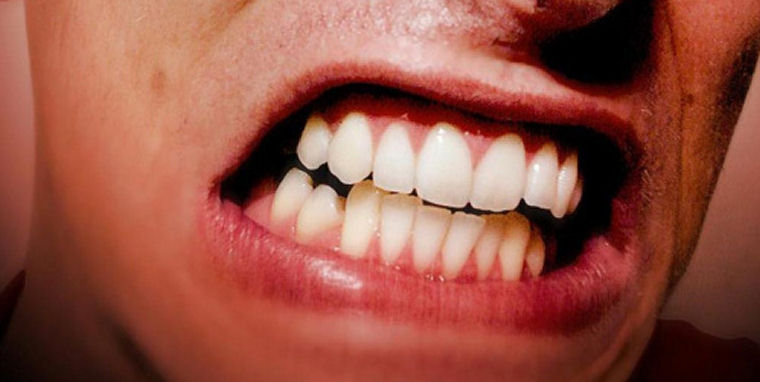
Put simply, bruxism is teeth grinding. More accurately, bruxism describes a range of related behaviours including teeth grinding, gnashing and clenching of the jaw. Bruxism is usually a subconscious behaviour performed whilst one is asleep.
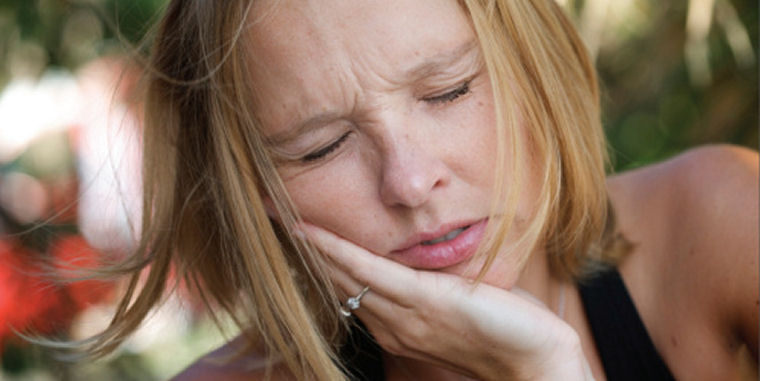
Find out more about what bruxism is.

Effects Of Bruxism

Effects Of Bruxism

Teeth grinding and clenching can permanently damage one's teeth as the enamel is worn away. However, bruxism leads to other problems as well (both short-term and long-term) such as headaches and disorder of the TMJ.
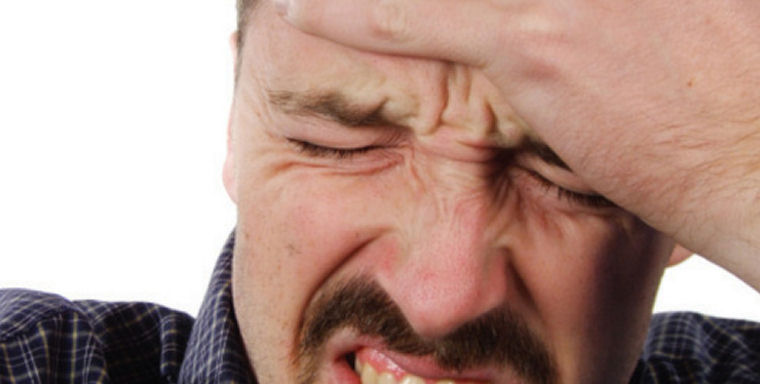
Find out more about the effects of bruxism.

How Can I Stop Grinding My Teeth?

How Can I Stop Grinding My Teeth?

There have been many treatments proposed to reduce or stop teeth grinding. However few have any clinical evidence. (Those that do are occlusal splints (mouth-guards, night-guards), Mandibular Advancement Devices (MADs) and hypnosis.)

Find out more about treatments for bruxism.

Around 1 in 10 people suffer from bruxism. Are you one of them? Ask yourself the following questions:

  • Do your jaw muscles ache in the morning?
  • Do you have difficulty in eating, first thing?
  • Do your teeth show premature wear?
  • Do you suffer from frequent headaches or facial pain?
  • Has your bed partner ever complained about you making strange grinding noises in your sleep?
  • Do you fall into any of the high-risk groups?

The more questions to which you have answered 'yes', the greater the chance that you are teeth grinding at night.

If you have any questions that aren't answered on this website then consider posting them on the Teeth Grinding Forum.

The SleepRight mouth-guards are the only occlusal splints approved by the British Dental Health Foundation.

Find out more

Your Shopping Basket
Items:0
Subtotal:£0.00

The Bruxism Association • Castle Court • 41 London Road • Reigate • RH2 9RJ